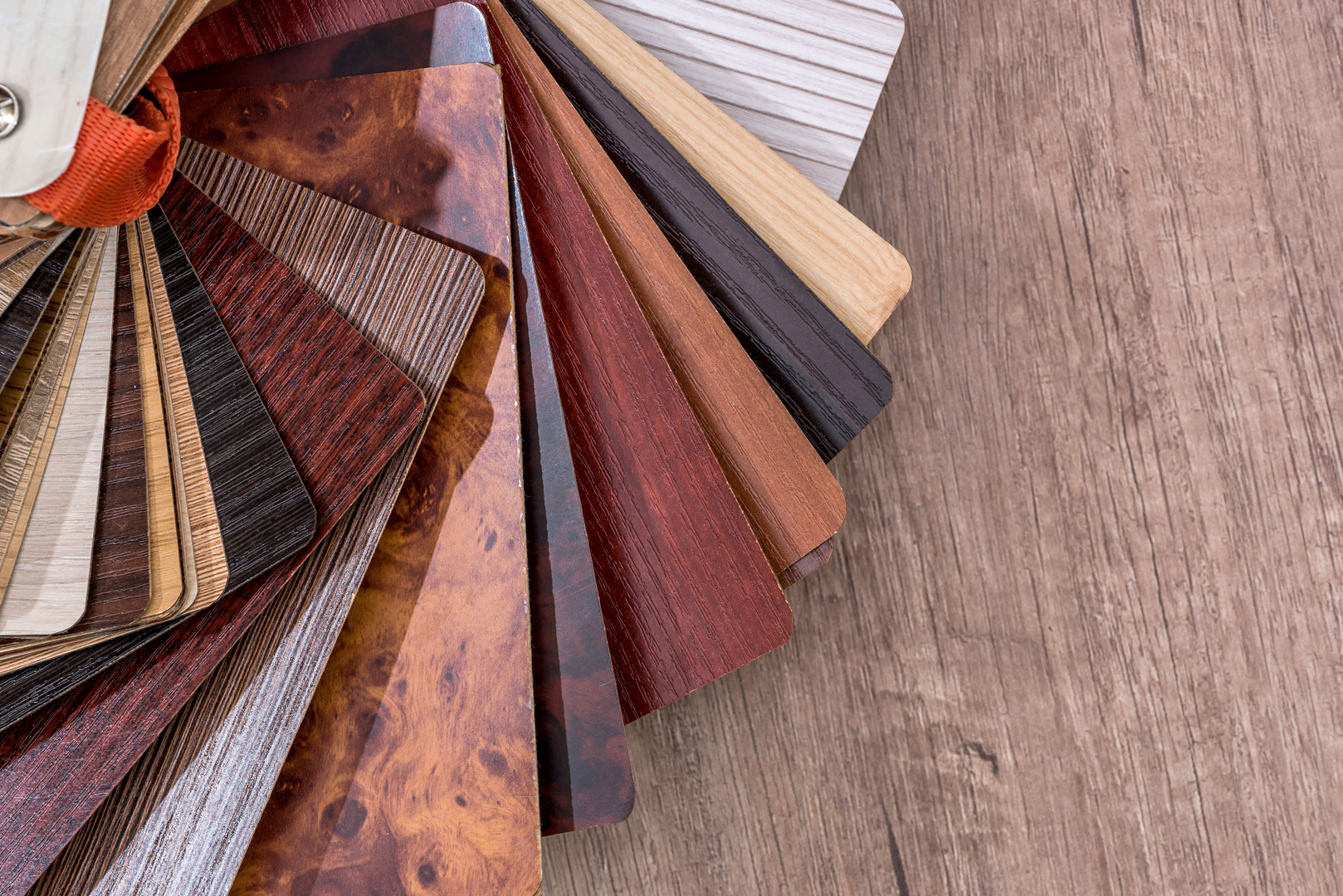
Choosing the right flooring for your home is more than a design decision—it directly impacts comfort, durability, and long-term maintenance. Each room serves a different purpose, which means the flooring should match its function, moisture levels, and traffic patterns. With so many materials available today, homeowners often benefit from professional flooring services to ensure they’re selecting options that balance aesthetics with practicality. From cozy bedrooms to high-traffic kitchens, understanding what works best in each space can make all the difference in creating a cohesive and functional home.
The living room is often the heart of the home, where comfort meets style. This space typically sees frequent use, whether for relaxing, entertaining, or spending time with family. Because of this, flooring should be both durable and visually appealing.
Hardwood flooring remains a popular option thanks to its timeless look and long lifespan. It adds warmth and character while increasing the overall value of the home. Engineered wood offers a similar appearance with enhanced stability, making it a great alternative in areas where humidity may fluctuate.
Luxury vinyl plank has also gained popularity in recent years. According to Mordor Intelligence, the US vinyl floor covering market size stood at USD 12.57 billion in 2025. This growth reflects its appeal as a cost-effective and durable option that mimics natural materials while resisting scratches and wear. Many homeowners turn to flooring services to install these materials seamlessly, ensuring a polished and long-lasting finish.
Area rugs can also complement hard surfaces, adding texture and comfort without sacrificing durability. Ultimately, living room flooring should strike a balance between style and resilience.
The kitchen is one of the busiest rooms in any home, exposed to spills, heat, and heavy foot traffic. Flooring in this space must be highly durable, water-resistant, and easy to clean.
Tile flooring stands out as a top choice due to its resistance to moisture and stains. Porcelain and ceramic tiles are especially popular because they can handle the demands of daily cooking while offering a wide range of design options. From sleek modern finishes to rustic textures, tile can suit virtually any kitchen style.
Vinyl flooring is another excellent option, particularly for homeowners seeking a softer feel underfoot. It provides water resistance and durability while being more forgiving on joints during long periods of standing. Professional flooring services often recommend vinyl for families looking for a practical yet stylish solution.
For those who prefer a more natural look, sealed hardwood or engineered wood can work in kitchens, though they require careful maintenance. Regardless of the material, the key is choosing a surface that can withstand constant use without compromising safety or aesthetics.
Bathrooms present unique challenges due to constant exposure to moisture and humidity. The ideal flooring must be waterproof, slip-resistant, and easy to maintain.
Tile remains the most common choice for bathrooms because of its ability to resist water damage. Smaller tiles with textured surfaces can provide better traction, reducing the risk of slips. Stone tiles can also create a luxurious feel, though they may require additional sealing to maintain their appearance.
Waterproof vinyl flooring has become an increasingly popular alternative. It offers the look of wood or stone while providing superior resistance to moisture. Many homeowners rely on flooring services to ensure proper installation, as even small gaps can allow water to seep underneath.
Another option is sheet vinyl, which minimizes seams and reduces the risk of water penetration. While less common, it can be an effective solution for those prioritizing practicality over design complexity. No matter the choice, bathroom flooring should prioritize safety and durability above all else.
Bedrooms are personal spaces designed for comfort and relaxation. Flooring in these areas should create a warm and inviting atmosphere while minimizing noise.
Carpet is a traditional favorite for bedrooms due to its softness and insulation properties. It provides a cozy feel underfoot and helps absorb sound, making it ideal for creating a peaceful environment. Modern carpet options also offer improved stain resistance, making maintenance easier than in the past.
Hardwood flooring is another popular choice, offering a clean and elegant look. When paired with area rugs, it can provide both style and comfort. Engineered wood can be a practical alternative, especially in homes where humidity levels fluctuate.
For homeowners seeking low-maintenance options, laminate or vinyl flooring can replicate the look of wood while offering greater resistance to wear. Professional flooring services can help determine the best material based on lifestyle needs, ensuring the bedroom remains both functional and comfortable.
Basements often present challenges such as moisture, temperature changes, and limited natural light. Flooring in these areas must be able to handle these conditions without deteriorating over time.
Waterproof vinyl flooring is a leading choice for basements due to its resilience and versatility. It can mimic the appearance of wood or tile while resisting moisture damage. This makes it ideal for finished basements used as living spaces, home offices, or entertainment areas.
Concrete flooring, when properly sealed, can also be a practical option. It offers durability and a modern aesthetic, especially when combined with decorative finishes. Area rugs can be added to soften the space and provide additional comfort.
Carpet tiles are another viable option, particularly for homeowners who want warmth underfoot while maintaining flexibility. If damage occurs, individual tiles can be replaced without redoing the entire floor. Many homeowners consult flooring services to address moisture concerns before installation, ensuring long-term performance and preventing issues down the line.
Entryways and hallways experience constant foot traffic, making durability a top priority. These areas are also the first impression of the home, so the flooring should combine functionality with visual appeal.
Tile and stone flooring are excellent choices for entryways due to their ability to withstand dirt, moisture, and heavy use. They are easy to clean and can handle the wear and tear of daily activity. Patterns and textures can also add a decorative element, enhancing the overall design of the space.
Hardwood flooring can extend from the living room into hallways, creating a cohesive look throughout the home. However, it may require protective measures such as rugs or mats in high-traffic zones.
Luxury vinyl flooring is another practical option, offering durability and water resistance while maintaining a stylish appearance. Many homeowners rely on flooring services to ensure these high-traffic areas are installed correctly, reducing the risk of damage and extending the lifespan of the material.
Proper underlayment and installation techniques are especially important in these spaces, as they help prevent wear and improve overall performance.
Selecting the best flooring for each room involves understanding how the space is used and what conditions it will face over time. From moisture-prone bathrooms to high-traffic entryways, every area has unique requirements that influence the ideal material. While aesthetics play a significant role, durability, maintenance, and comfort should never be overlooked.
Working with experienced flooring services can simplify the decision-making process. Professionals can assess your home’s specific needs, recommend suitable materials, and ensure proper installation for long-lasting results. By choosing the right flooring for each room, you can create a home that is both beautiful and functional for years to come.
At Quality Carpets, Inc Flooring America, we take pride in helping homeowners find the perfect flooring solutions for every space, combining expert guidance with high-quality materials to bring your vision to life.
.
