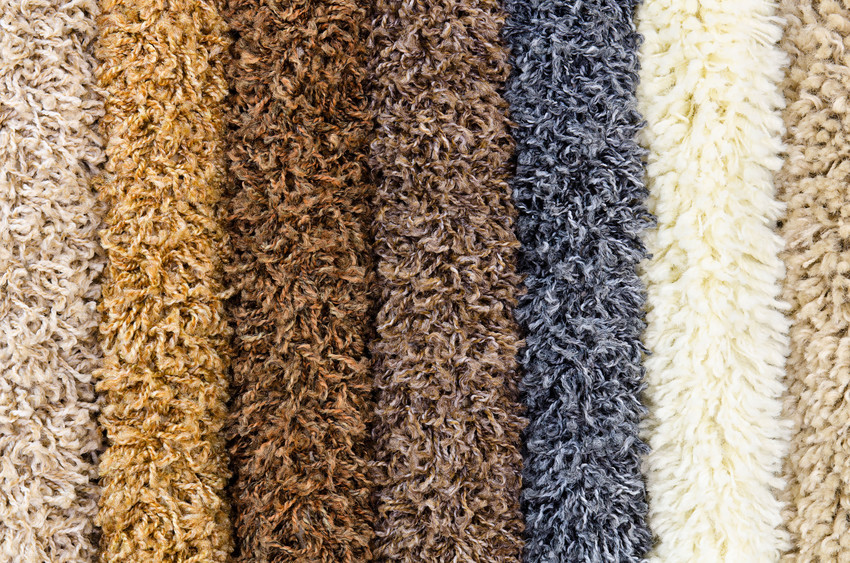
Flooring has a major influence on how a home looks and feels because it extends across large portions of the living space. The right material can reinforce architectural details, complement furniture, and create visual continuity from room to room. A local carpet store can provide access to different flooring styles while helping homeowners compare colors, textures, patterns, and materials in relation to their home's existing design. Matching flooring with the style of a home involves more than choosing an attractive product; it requires considering how each element works together.
Before selecting flooring, it helps to understand the dominant style of the home. Traditional interiors often feature classic details, warm finishes, and established design elements, while contemporary spaces may emphasize clean lines, simple forms, and restrained colors. Transitional homes combine characteristics from multiple styles, creating opportunities for flooring that bridges traditional and modern features. A local carpet store can help homeowners explore flooring options that correspond with these visual characteristics.
Architectural details can provide useful direction as well. Crown molding, cabinetry, doors, staircases, fireplaces, and built-in features can reveal whether a room leans toward traditional, modern, rustic, or another aesthetic. Flooring does not need to match every feature exactly, but it should complement the overall character of the space. Considering the architecture before choosing a material can help create a more intentional finished design.
Color is one of the most noticeable characteristics of flooring, and it can influence how spacious, warm, bright, or dramatic a room feels. Light flooring can contribute to an open appearance, while deeper shades can add visual weight and warmth. Neutral flooring can provide flexibility when furniture, wall colors, or decorative accents change over time. A local carpet store can help homeowners compare color variations under different lighting conditions before making a selection.
Flooring color should also relate to existing finishes. Cabinets, countertops, wall paint, furniture, and doors all contribute to a room's color palette. Choosing a floor that complements these elements rather than competing with them can create a more cohesive appearance. Homeowners do not necessarily need identical shades throughout a room; coordinating undertones can often create a more balanced result.
Texture can affect the visual character of a floor just as much as color. Plush carpet can create a soft and comfortable impression, while low-profile carpet may produce a cleaner, more streamlined appearance. Wood-look flooring can introduce natural variation, and textured surfaces can add dimension to otherwise simple interiors. A local carpet store can present different flooring textures so homeowners can compare how each option contributes to the style of a room.
Texture should also be considered alongside other materials in the space. Rooms with heavily patterned furniture or elaborate architectural details may benefit from flooring with a quieter appearance. Conversely, a simple room can accommodate flooring with more visible grain, pattern, or texture. Balancing these elements helps prevent the finished design from appearing overly busy or visually flat.
Style should always be considered alongside the practical purpose of each room. Bedrooms may benefit from flooring that contributes warmth and softness, while entryways and frequently used living areas may call for materials selected with durability and maintenance needs in mind. Kitchens, dining areas, hallways, and family rooms can each place different demands on flooring. A local carpet store can help homeowners compare materials based on both appearance and the way each room is used.
Carpet remains a significant part of residential flooring. According to HomeGuide, carpet covers approximately 60% of the flooring area in an average home. This illustrates how important carpet can be to a home's overall visual and functional character. Considering carpet's color, pile, texture, and relationship to surrounding flooring can help homeowners create a cohesive design rather than treating each room as completely separate.
Homes often contain several flooring materials, but those materials should still relate to one another. Abrupt changes in color, pattern, or material can make connected spaces feel disconnected. Choosing flooring with complementary tones or visual characteristics can create a smoother transition between rooms. A local carpet store can help homeowners compare options when several flooring types need to work together across an open or connected floor plan.
Consistency does not mean every room needs identical flooring. Different materials can help define spaces and accommodate different functional requirements. The goal is to establish a relationship between materials through shared undertones, similar visual weight, or coordinated colors. This approach can provide variety while maintaining an intentional overall appearance.
Furniture plays an important role in determining which flooring styles will look appropriate in a room. Large furniture pieces, area rugs, window treatments, artwork, and decorative accessories all contribute to the visual balance. Flooring should support these elements without overwhelming them or becoming so visually subtle that the room loses dimension. A local carpet store can help homeowners compare flooring samples against the broader design palette.
The amount of pattern already present in a room should also influence the flooring decision. A patterned rug or bold furniture may pair well with a relatively simple floor, while understated furnishings can provide more room for distinctive flooring. Considering the complete room instead of selecting flooring in isolation can help homeowners achieve a more coordinated result.
Natural light can change how flooring colors and textures appear throughout the day. A shade that looks warm in a brightly lit room may appear different in a space with limited windows. Artificial lighting can also affect the appearance of flooring after sunset. Visiting a local carpet store allows homeowners to view samples under showroom lighting and consider how different colors and textures may translate to their own spaces.
Window placement and room orientation can provide additional context. Flooring with strong color variation may become more noticeable in areas with abundant sunlight, while subtle textures may appear more restrained in rooms with less natural illumination. Taking lighting into account can reduce surprises and help homeowners select flooring that maintains the desired appearance throughout the day.
Current flooring trends can provide inspiration, but a home's style should remain the primary consideration. Highly distinctive colors or patterns may have strong visual appeal at the time of installation but can become more difficult to coordinate if the homeowner changes furniture or décor later. Classic colors, natural-looking materials, and adaptable designs can provide greater flexibility over time. A local carpet store can show both contemporary and enduring flooring styles for comparison.
A balanced approach can incorporate modern preferences without making the entire room dependent on a short-term trend. Flooring with a versatile foundation can work with changing décor while still reflecting current tastes. Homeowners can then introduce bolder trends through accessories, furnishings, or smaller design features that are easier to update.
Matching flooring to a home's style involves evaluating color, texture, material, lighting, architecture, and room function together. Professional guidance can make these decisions easier by providing access to samples and helping homeowners compare options in context. A local carpet store can also make it easier to evaluate different flooring categories and identify combinations that work across connected spaces.
Quality Carpets, Inc Flooring America can help homeowners explore flooring options that complement their home's architecture, décor, and everyday needs. Our team can discuss your preferences, compare materials and styles, and help you select flooring that fits the character of your space. Contact Quality Carpets, Inc Flooring America to begin planning a flooring update that brings your home's design together with a cohesive, carefully considered finish.
