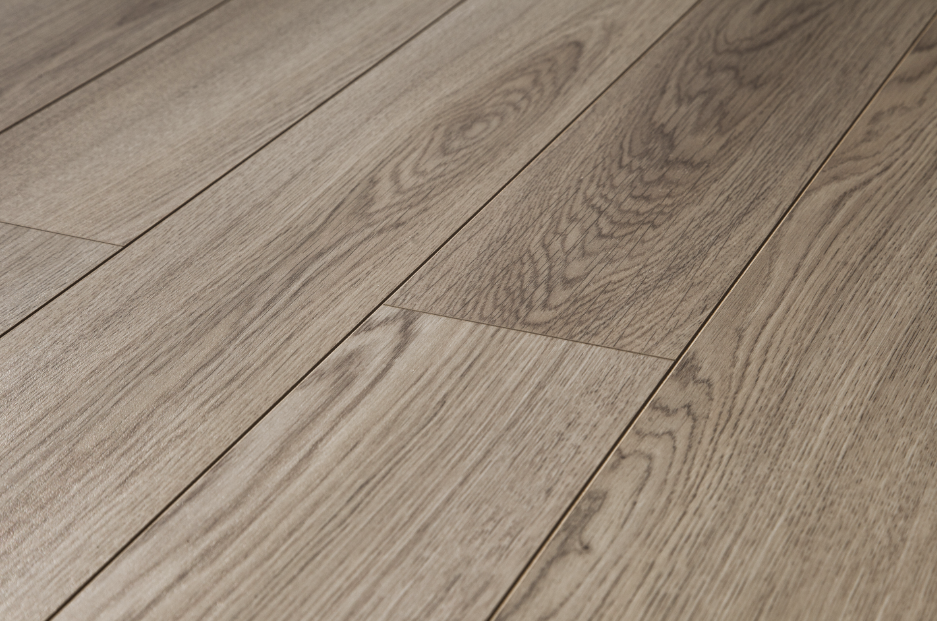
Vinyl is one of the most versatile and durable materials available for modern homes, providing a beautiful look that can withstand the rigors of daily life. However, maintaining that "just-installed" shine requires more than just an occasional sweep. Because this material is engineered with specific wear layers, using the wrong chemicals or tools can actually dull the finish or damage the core of the planks. Understanding the proper techniques for maintenance is essential for protecting your investment and ensuring your home remains beautiful and hygienic. By following a consistent care routine, you can enjoy the many benefits of your floor for decades.
The longevity of this flooring type is a major reason why it has become a favorite for busy households and high-traffic areas. According to Better Homes and Gardens, vinyl flooring lasts 10 to 20 years with proper installation and maintenance. This impressive lifespan makes it a cost-effective and reliable choice for any room in the house, from moisture-heavy bathrooms to bustling kitchens. To reach the upper end of that timeframe, you must commit to a cleaning strategy that removes abrasive grit and prevents chemical buildup. When you utilize professional vinyl plank flooring services for your installation, you are setting the stage for a floor that is as easy to maintain as it is resilient.
The most significant threat to your floor’s finish is actually invisible to the naked eye. Microscopic particles of dirt, sand, and grit act like sandpaper under the soles of your shoes, gradually wearing down the protective top layer of the planks. To prevent this abrasive wear, daily dusting or vacuuming is the first line of defense. A soft microfiber dust mop is often the best tool for the job, as it traps fine particles without scratching the surface. If you prefer a vacuum, ensure that the "beater bar" or brush roll is turned off, as these stiff bristles are designed for carpet and can leave fine scratches on hard surfaces.
Consistency is key when it comes to dry cleaning. High-traffic entryways and hallways should be addressed daily to prevent outdoor debris from being tracked deeper into the home. For households with pets, daily dusting is even more critical for managing pet hair and dander that can accumulate in the textures of the planks. By removing these particles before they have a chance to be ground into the surface by foot traffic, you preserve the luster of the material. This simple, two-minute task is the most effective way to extend the time between deep cleanings and maintain the aesthetic provided by your vinyl plank flooring services.
When it comes to wet mopping, the choice of cleaning agent is where many homeowners make critical mistakes. Many generic floor cleaners contain waxes, "mop and shine" additives, or abrasive chemicals that can leave a cloudy film or cause permanent discoloration. Vinyl does not need wax to stay shiny; in fact, wax buildup will only attract more dirt and make the floor harder to clean over time. Instead, look for pH-neutral cleaners specifically formulated for resilient flooring. These solutions are designed to break down oils and grime without attacking the protective wear layer of the planks.
A simple, cost-effective alternative to commercial cleaners is a mixture of warm water and a small amount of apple cider vinegar. The acidity in the vinegar helps remove stubborn grime and odors without leaving a soapy residue behind. It is important to avoid harsh "scrubbing" bubbles, bleach, or ammonia-based products, as these can strip the finish and eventually lead to the material becoming brittle. By sticking to gentle, approved solutions, you ensure that the integrity of the material remains intact, allowing the professional results of your vinyl plank flooring services to shine through for years to come.
While vinyl is highly water-resistant, it is not entirely waterproof in the sense that excess moisture can still cause issues if it seeps into the seams. When mopping, the goal should be "damp" rather than "wet." Using a microfiber mop that can be wrung out thoroughly prevents standing water from sitting on the floor. If too much water is used, it can work its way down to the adhesive or the subfloor, potentially causing the planks to lift or buckle. This is especially true for older installations that may not have the advanced locking mechanisms found in modern products.
For stubborn spots or dried-on spills, avoid using steel wool or highly abrasive scouring pads. Instead, use a soft nylon brush or a microfiber cloth to gently work the area. If you encounter a particularly difficult stain, such as permanent marker or ink, a small amount of rubbing alcohol on a cotton ball can often lift the pigment without damaging the floor. Always follow up a spot treatment with a damp cloth to remove any remaining cleaning agent. By treating your floor with a gentle hand, you avoid the scratches and dullness that come from aggressive scrubbing, preserving the high-quality finish of the installation.
Prevention is often the most overlooked aspect of floor care. One of the best ways to keep your floors clean is to stop dirt at the door. Placing high-quality doormats at every entrance captures a significant portion of the grit and moisture that would otherwise end up on your vinyl. Be sure to choose mats with a non-staining backing; some rubber or latex-backed mats can chemically react with vinyl and cause permanent yellowing over time. Instead, look for mats with felt or woven backings that are labeled as safe for resilient floors.
Furniture protection is another vital preventive measure. Even though vinyl is durable, the concentrated weight of a heavy sofa or table can cause indentations or scratches if moved. Using wide-base floor protectors made of felt or non-staining plastic distributes the weight more evenly and allows furniture to be moved slightly for cleaning without gouging the planks. If you have rolling office chairs, consider using a specialized desk mat to prevent the constant friction from wearing down the finish in a localized area. These small investments in protection go a long way in maintaining the professional standard set by your vinyl plank flooring services.
Natural light can transform a room, but prolonged exposure to intense UV rays can have an impact on any interior surface. Over several years, direct sunlight can cause some vinyl products to fade or undergo subtle color shifts. To protect your floors, use blinds, curtains, or UV-filtering window films during the brightest parts of the day. This is particularly important for south-facing rooms with large windows. Managing the light exposure ensures that the color and patterns of your floor remain vibrant and consistent across the entire room.
Caring for your vinyl floors doesn't have to be a daunting task, but it does require a thoughtful approach. By focusing on grit removal, using the correct pH-neutral solutions, and avoiding excess water, you can keep your home looking spectacular while maximizing the lifespan of your materials. When you invest in a beautiful floor, you deserve a result that lasts, and proper maintenance is the bridge that gets you there. If you have questions about the best products for your specific floor or are ready to upgrade your home with the latest in resilient technology, the experts are here to help. At Quality Carpets, Inc Flooring America, we pride ourselves on providing not just high-end products, but the knowledge you need to protect them. Call today to learn more about our vinyl plank flooring services and how we can help you achieve a home that stays beautiful for decades.
