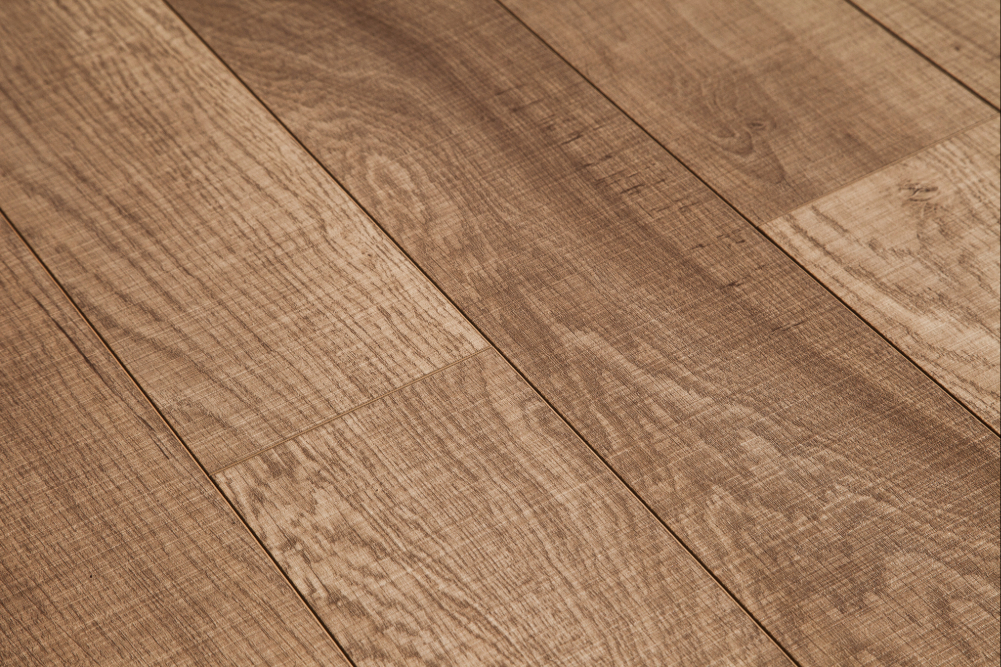
Whether you're aiming for style, durability, or a balance of both, understanding the perfect thickness is essential for achieving the desired results in your space. According to Fixr, vinyl flooring comes in a range of thicknesses starting at two millimeters and extending slightly beyond eight millimeters. The choice of thickness often depends on several factors, including the intended use of the space and the subfloor conditions. By understanding the basic principles of thickness, homeowners and contractors can make better choices regarding their flooring needs. Let's explore the factors that influence the selection of vinyl plank flooring thickness and provide insights to help you make informed decisions.
Your subfloor conditions significantly impact the choice of thickness for your vinyl plank flooring. Before installing, it's crucial to assess the stability and condition of your subfloor to better understand its compatibility with different thickness measurements. A sturdy and even subfloor may not necessitate thicker planks and can comfortably accommodate standard thickness levels. Alternatively, thicker planks can serve to mask or compensate for uneven or slightly defective subfloors, providing a smoother final appearance. Thorough evaluation of the subfloor helps navigate the initial stages of the installation process and align thickness choices with technical requirements.
Understanding subfloor conditions minimizes surprises and ensures that the flooring performs effectively. Accounting for material and age of the subfloor will guide the selection toward more suitable options. Newer, reinforced subfloors present fewer restrictions and allow for versatility in thickness, often permitting the use of thinner planks to achieve desired results. Older subfloors may call for caution and prudent preparation before setting molded, thicker planks in place. The key to ensuring that your flooring maintains optimal function lies in the accurate understanding and assessment of your foundational surface.
Room traffic and usage can dramatically alter suitable thickness options for vinyl plank flooring. Understanding the anticipated foot traffic, number of occupants, and intended use of each room can provide clarity on required durability and performance attributes. High-traffic areas such as kitchens, hallways, and common living spaces benefit from thicker planks that can withstand daily wear with reduced stress. In contrast, thin planks can accommodate spaces with minimal traffic like guest rooms or low-use areas, where the potential for damage is minimal. Evaluating room usage is essential when selecting flooring that balances cost with functionality.
Anticipating the function and frequency of use for each room informs necessary thickness levels for optimal results. Areas intended for gatherings or those that host social activities may naturally experience heavier throughput, calling for planks with higher resilience. This consideration ensures maintenance of surface aesthetics, minimizing the need for premature replacement or repairs. Conversely, rooms designed with limited footfall grant you flexibility to explore cost-effective options that adequately match anticipated use. This tailored approach aligns space functionality with complementary thickness levels, advisedly selecting best-suited options for each controlled environment.
When evaluating room traffic and usage, it's important to factor in potential future fluctuations or modifications. Structural changes, new occupants, or purpose shifts can all necessitate a change in flooring demands, encouraging readiness for different levels of strain and impact. Ensuring that vinyl planks can adapt to potential modifications or usage expansion facilitates flexibility in space planning. Thorough consideration of intended use, both current and potential, provides a complete perspective before committing to specific thickness levels. This evaluation arms you with the confidence to select fitting flooring that thrives within its context and maximizes value.
Climate and humidity levels play essential roles in determining the appropriate vinyl plank thickness. With varying temperatures, the reaction of vinyl to climate factors influences its overall durability and stability. Higher humidity regions experiencing seasonal fluctuations may benefit from thicker planks that provide additional protection against moisture absorption. Excessive dampness can cause expansion or contraction in improperly matched thickness, leading to warping or gaps. Understanding local climate patterns aids in preventing unnecessary damage and sustains the integrity of the floor.
Ownership in areas characterized by high humidity levels necessitates prioritization of thicker planks with superior moisture protection properties. This focus guards against potential deformation and aesthetic degradation, pivotal for maintaining long-term performance. Integrating thicker options acts as a reliable buffer, enhancing natural resistance to water seepage and moisture wear. Employing robust solutions is vital in areas with elevated moisture presence, simultaneously providing peace of mind and value. Allowing the thickness to counteract environmental attributes effectively boosts the overall resilience of any installation.
The desired aesthetic and design preferences significantly influence the choice of vinyl plank thickness. Personal style and design ambitions guide the style of rooms, requiring thickness variations that complement the intended visual and atmospheric appeal. Selective planks that embrace warmth, texture, and dimensions can be accommodated through a carefully chosen thickness range. Modern, sleek aesthetics might opt for thinner planks that provide a smooth, minimalist surface without detracting from existing design elements. For more traditional or rustic endeavors, thicker planks can lend added depth, reflecting character and charm that enhance the ambiance.
Achieving your dream room aesthetic often involves tailored selections that include optimal thickness to match your vision. The diversity in plank designs, colors, and textures grants the opportunity to express individuality and creativity through custom setups. A thicker plank will often accentuate more intricate embossing and wood grain details, enriching your space with both style and substance. Combined with color palettes and decor, thickness choice helps bring the designer's vision to life while faithfully embodying personalized artistic flair. Capturing the aesthetics envisioned sustains its allure and charm, affording satisfaction in your flooring choice.
Design preference encompasses more than just visual appeal, reflecting lifestyle, functionality, and usability. Prioritizing aesthetic goals in coherence with thickness considerations ensures cohesive alignment throughout spaces, bridging style with practicality. The convergence of these elements results in holistic environments that elevate interiors, revealing spaces that resonate with intention and character. Exploring thickness options while remaining attuned to design aspirations delivers a harmonious living experience with both visually stunning and thoughtfully curated interiors. Welcoming such distinctive flair into your flooring invites you to rediscover the endless possibilities of harmonious home design.
Budget constraints and cost implications remain pivotal in shaping vinyl plank flooring thickness selection. Balancing desired features and practical financial spending steers decision-making toward complementary choices that optimize rather than compromise. Thicker planks inevitably demand higher expenses, from the initial purchase to ongoing maintenance requirements, potentially bulging project budgets. On the flip side, thinner counterparts offer avenues to ease budget strain while still achieving acceptable performance for lower stress areas. Familiarizing yourself with these economic variables provides a clear lens for weighing the trade-offs that accompany different thickness levels.
When considering budget constraints, it's important to account for both immediate expenditures and possible future savings. Opting for high-quality, thicker planks has the potential to reduce costs related to repairs or early replacements, reciprocating the initial investment. Additionally, they may offer savings in terms of energy efficiency due to their superior insulating properties. Critical evaluation of long-term benefits and expenditures helps ensure that your investment aligns with both personal scenarios and broader financial contexts. Prioritizing thoughtful consideration of cost factors results in a satisfying conclusion that maintains project viability and excellence.
Selecting the right vinyl plank flooring thickness is ultimately a balancing act between foundational technical needs and personal preferences. By carefully evaluating your subfloor's condition, anticipated foot traffic, local climate, and aesthetic vision alongside your overall budget, you can make an informed choice that delivers both immediate visual appeal and lasting durability. Whether you opt for a sleek, cost-effective standard plank or invest in a thicker, textured product for high-use areas, matching the thickness to your specific environment ensures a resilient, beautiful floor that adds value to your space for years to come. To learn more, reach out to the experts at Quality Carpets, Inc Flooring America today.
